
LED cover and frame design must consider assembly fit, the relationship with the light source and operating conditions as well as appearance. This guide follows plastic components from material selection through sample assessment.
The Importance of Plastic Solutions in the Lighting Industry
Covers help protect the light source and create the intended optical appearance, while frames locate components and support assembly. Plastic design flexibility can be valuable, but material selection, mould geometry and the actual environment must be assessed together.
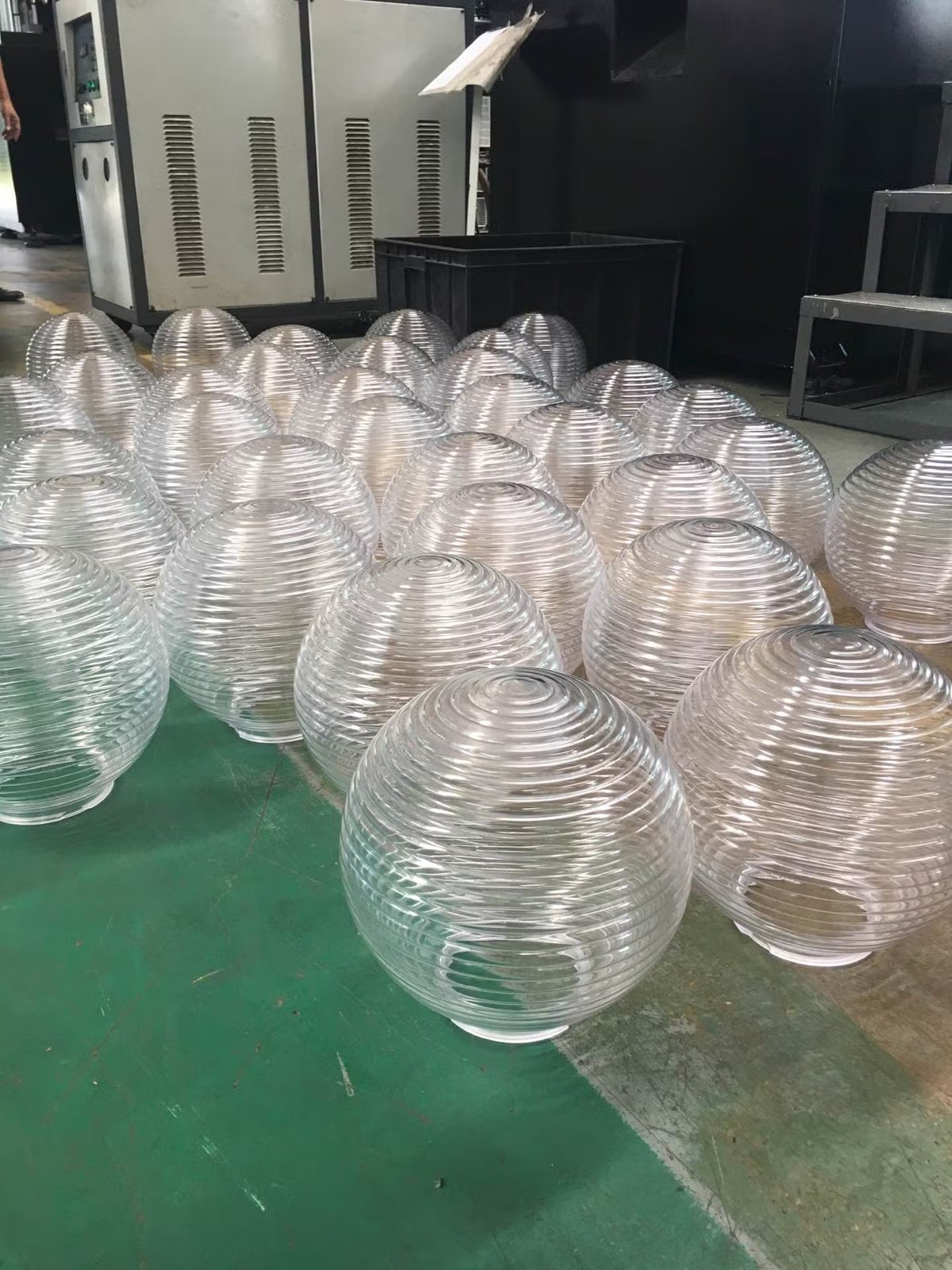
LED Cover Design and Production
Function of LED Covers
A cover surrounds the light source. Its optical effect depends on the material, surface, cross-section and LED arrangement. Water, dust and impact protection cannot be assumed from the cover alone; verify the target with the complete luminaire and installation.
Materials Used in LED Covers
- Polycarbonate (PC): suitable grades can be evaluated for transparency and impact requirements. Confirm UV, temperature, chemical compatibility and optical appearance using grade-specific data and samples.
- PMMA (acrylic): an option for covers where optical appearance is important. Establish light transmission and surface results using the actual grade, wall thickness and sample component.
Production Process
- Design: define cover geometry in CAD around the customer's luminaire, mounting and appearance requirements.
- Prototypes and samples: select a method for checking form, connection and appearance. A prototype need not reproduce all optical or mechanical properties of the production material.
- Injection moulding: develop tooling for the suitable plastic cover geometry, then review dimensions, surfaces, assembly and optical requirements in trial parts before confirming production conditions.
Advantages of LED Covers
- Optical appearance: clear, translucent and opal finishes produce different effects. High transparency alone does not establish uniform distribution or low glare.
- Mechanical performance: impact and scratch resistance are different properties. Verify requirements against the material, surface and component design.
- Appearance: surface finish and cover geometry can be assessed against the intended visual design of the luminaire.
Plastic Frame and Housing Production
What is a luminaire frame?
A frame supports and locates the LED modules and associated components within a lighting product. Its geometry must accommodate mounting, loads, electrical design requirements and access for assembly or maintenance.
Materials for plastic frames
- ABS: suitable grades can be assessed for processability, surface appearance and mechanical requirements. Evaluate the actual environment rather than assuming every grade is interchangeable.
- Polycarbonate: evaluate the selected grade against mechanical and temperature requirements. The material name alone does not guarantee extreme-temperature or long-term outdoor performance.
Production Process
- Mould design: define the tool around component geometry, assembly interfaces and manufacturability.
- Material selection: use the application requirements and the selected supplier grade's technical data.
- Injection moulding: assess the frame's trial parts and define a repeatable production process after the required checks.
Potential benefits of plastic frames
- Assembly: suitable connections and tolerances support repeatable module placement. Check the fit using sample assembly.
- Weight and integration: a plastic solution may reduce weight or the number of assembly parts. Compare designs against the same function and loading requirements.
- Environmental performance: assess humidity, chemicals, UV, temperature and ageing. Not rusting does not make a plastic component unaffected by environmental exposure.
Assessing Lighting Applications
Indoor Lighting:
- Transparent covers on LED spotlights, panels and chandeliers.
- Plastic frames designed for the mounting and visual requirements of indoor products.
Outdoor Lighting:
- Luminaire assemblies whose cover, seal and housing are designed and assessed for the target water and dust protection.
- Plastic frames evaluated against grade-specific UV data and project exposure requirements.
Industrial Lighting:
- Protective covers with materials and geometry selected for the required impact and mechanical loads.
- Robust frames for large LED systems.
Preparing the Project with İdeal Plastik
İdeal Plastik can assess plastic cover and frame projects using drawings, samples and operating requirements. Design, tooling, samples and production are planned together. Dimensions, surface finish and supply of glass covers follow a separate process and are not plastic injection moulding.
- Project scope: define mould design, samples and production in the quotation, together with the prototype method and inspection requirements.
- Validation: plan tests for the target IP rating, mechanical requirements and optical appearance. Stating a target is not a claim that every product has already passed those tests.
- Production planning: define the component and tooling approach around quantities, sample acceptance and series-production requirements.
Innovation in Lighting with Plastic Solutions
A successful cover and frame project assesses the components as parts of the same system. Define material, connection and optical requirements first, then use samples and acceptance checks to support tooling and production decisions.
Request a technical assessment with your luminaire drawing, operating conditions and quantities.
Frequently Asked Questions
Which materials can be used for LED covers? Suitable PC or PMMA grades can be evaluated. The final choice depends on optical requirements, geometry and the working environment.
Why use plastic for a frame? Design flexibility, component integration or weight may provide advantages. Verify loading, temperature and assembly requirements for the actual design.
Are plastic LED covers suitable outdoors? Evaluate the actual grade, UV, temperature, humidity and mechanical exposure with the complete luminaire. Not every PC grade or plastic cover is automatically outdoor-rated.
Related guides
Continue reading: What is Plastic Injection Molding? Basic Processes and Areas of Use.
Continue reading: 2025 Guide to Choosing the Ideal Injection Mold.