
Membrane pressure equalisation vents help reduce pressure differences between a closed enclosure and the surrounding air. This guide separates their function from product selection, installation and final-assembly verification.
Importance of Pressure Balancing Valves
Temperature changes can create pressure differences in closed electronics and lighting housings. A suitable membrane vent permits airflow to help manage the pressure loads on seals and connections. Water and dust protection, condensation behavior and service life depend on the complete enclosure and operating conditions; adding a vent does not guarantee these outcomes.
In this article, we will discuss in detail how pressure balancing valves work, their advantages and areas of use.
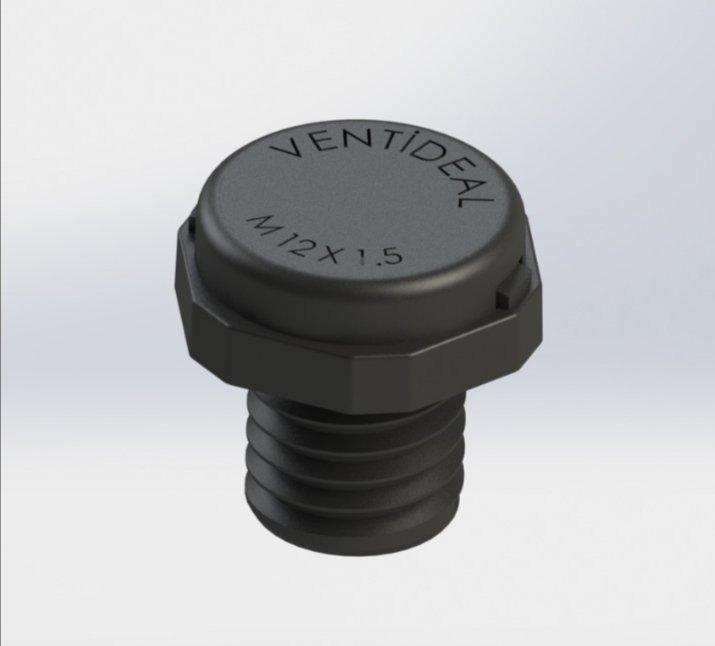
1. What are Pressure Balancing Valves and How Do They Work?
Here, pressure equalisation refers to passive membrane components that allow air exchange between an enclosure and its surroundings. They are not equivalent to hydraulic pressure regulators or emergency pressure-relief safety valves. Review enclosure volume and the rate of change alongside the product's confirmed data.
- Operating principle: the membrane allows air passage. Target water and dust protection depends on the selected product and correct installation of the vent, sealing washer and enclosure. Different membrane products do not necessarily provide the same airflow or protection.
- Condensation limits: pressure equalisation can contribute to enclosure moisture management, but it is not dehumidification. Humidity, surface temperatures, airflow and enclosure design can still produce condensation in a correctly vented device.
2. Advantages of Pressure Compensating Valves
Target water and dust protection
Pressure balancing valves help equalise enclosure pressure. The target IP protection class is verified by testing the valve and enclosure together.
Managing moisture and corrosion risk
Managing pressure loads and internal conditions is one part of enclosure design. Corrosion also depends on moisture sources, materials, surface temperature and chemical exposure. Claims of corrosion prevention or longer service life require application-specific evidence.
c. Durability and Chemical Resistance
Assess chemical compatibility of the body, membrane and washer for the actual substance, concentration, temperature and exposure time. A material name does not establish resistance to all vehicle fluids or outdoor environments. Use the selected product's technical documentation.
d. Easy Assembly
Ventideal M12×1.5 is installed by screwing it into a compatible connection with a sealing washer. Check the mounting surface, washer seating and open airflow path. Adhesive mounting found on other membrane products should not be presented as an option for this standard Ventideal model.
3. Uses of Pressure Balancing Valves
Electrical and Electronics
- Electronic housings, control boxes and sensor enclosures are potential applications. Normal pressure equalisation in a battery enclosure requires a separate assessment; it is not a claim of thermal-runaway protection or emergency gas-release capability.
- Review connections, gaskets, cable entries and the complete enclosure. A membrane component alone does not guarantee prevention of electronic failures.
Automotive
- Automotive lighting, sensor and control housings can be assessed against temperature, vibration, fluid contact and mounting conditions. The scope is not ventilation of an entire open engine compartment or compatibility with every vehicle.
- Acceptance for a specific vehicle or system depends on the customer's technical requirements and application tests, not a general sector description.
Lighting
- In closed LED luminaires, the vent can help manage pressure differences. Protection must be verified with the cover, housing, cable entries, seals and vent as an assembly.
- It balances pressure differences caused by sudden temperature changes.
Ventilation Systems
- Pressure equalisation may be assessed for an HVAC unit's electronics enclosure. A small membrane vent is not a substitute for the fan or duct that provides room ventilation.
4. Things to Consider When Choosing a Pressure Balancing Valve
- Protection Level:Choose valves whose suitability for the target IP class is verified through project testing.
- Material Durability:Materials that are resistant to chemical and environmental conditions are important.
- Mounting: check connection size, surface geometry, washer material and installation instructions together. Ventideal uses an M12×1.5 threaded connection with an appropriate sealing washer.
- Airflow: determine the requirement from enclosure volume and changing conditions. Compare published flow data only with the measurement pressure and other test conditions; do not invent an unverified flow rating.
Reliable Systems with Pressure Balancing Valves
A suitable solution combines product data, enclosure geometry, connections and operating conditions. Complete sample installation, target-protection assessment and maintenance-access review before defining the production application.
Review the Ventideal product or request an application assessment with the enclosure drawing, conditions and quantity.
Frequently Asked Questions
Are pressure equalisation vents waterproof? Determine the protection level from the selected product data and assessment of the vent, washer, installation and enclosure together. A component name does not guarantee the final IP rating.
Where can they be used? Electrical, electronics, lighting and suitable automotive control enclosures are examples. Each project needs a separate review of temperature, mounting, airflow and protection requirements.
How is Ventideal installed? Screw it into a compatible M12×1.5 connection with a sealing washer. Check the surface, washer seating and open airflow path against the manufacturer's instructions.
Related guides
Continue reading: What is Plastic Injection Molding? Basic Processes and Areas of Use.
Continue reading: Extending the Life of LED Luminaires with Smart Ventilation.