

Temperature changes in closed electrical and electronic housings can create pressure differences between the interior and the surroundings. Membrane vent plugs permit controlled airflow that helps reduce this difference. Their potential applications are broad, but the same product is not necessarily suitable for every device. Enclosure volume, mounting geometry, temperature and environmental conditions matter as much as the industry name.
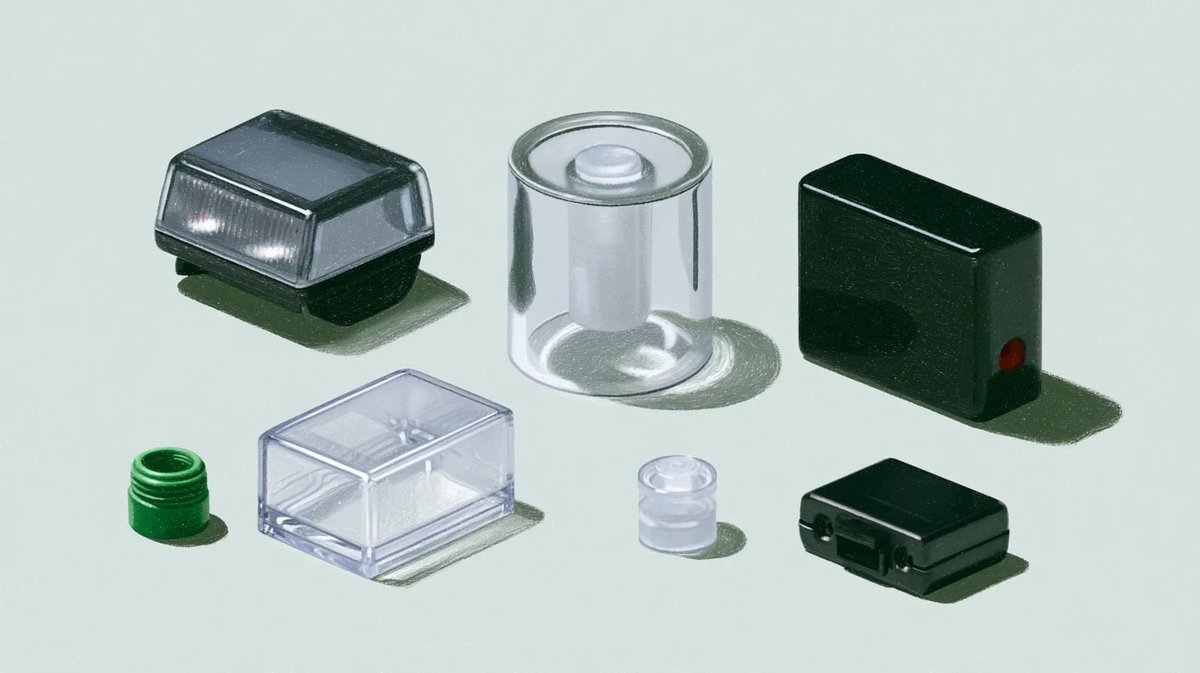
What is a Vent Plug and How Does It Work?
In a membrane vent, the air-permeable structure, body and sealing component work together. The objective is to meet pressure-equalization needs while maintaining the required environmental protection. This protection cannot be determined simply from the name of the membrane material. Product documentation, test conditions and the final installation must be assessed together.
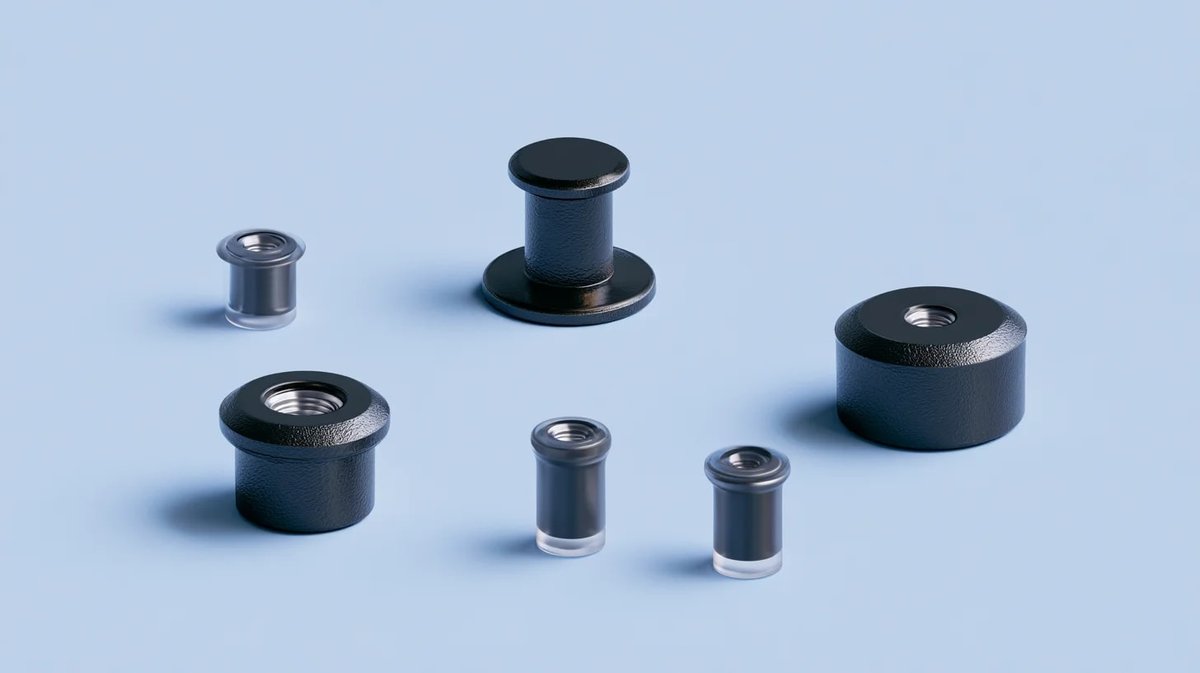
Ventideal M12×1.5 is a pressure-equalization vent screwed into a compatible mounting point with its sealing washer. The body material, membrane and washer serve different functions; the properties of one should not be attributed to another. Evaluate airflow against data for the actual product. Borrowing another model's flow figures or estimating performance from thread size does not replace application selection.
Use of Vent Plugs in the Automotive Industry
Automotive lighting and control systems are examples of closed housings operating under changing temperatures and environmental conditions. A suitable membrane vent can be evaluated for their pressure-equalization needs. Review mounting position, vibration, liquid exposure and the customer's specification. Listing automotive use does not establish approval by a particular vehicle manufacturer or approval for a safety-related application.
A control box near an engine compartment and a housing inside a vehicle do not experience identical conditions. Continuous operating temperature, brief temperature peaks and chemicals from cleaning or road exposure require separate assessment. The customer's requirements define the sample-validation scope. A normal pressure-equalization vent must not replace a battery emergency vent or another safety valve unless separately designed and approved for that purpose.
LED Lighting and Outdoor Luminaires
Outdoor LED luminaires experience solar heating and nighttime cooling as well as heat generated by the light source and driver. Pressure differences created by these changes should be considered in a closed housing. A membrane vent can help equalize pressure, but it is not automatically a replacement for the luminaire's cooling arrangement or necessary moisture control. Condensation on lenses and internal surfaces needs separate evaluation.
When locating a vent in a luminaire, check mechanical clearance, washer contact and an unobstructed airflow path. Consider dirt and liquid exposure alongside the product instructions. After mounting, validate the intended protection for the complete luminaire. A vent's IP declaration alone does not establish the suitability of the cover, cable entry or other connections.
Electrical and Electronic Equipment Housings
Electrical and electronic housings protect circuit boards, connections and control components from their operating environment. Managing pressure differences is one part of that design. Provide internal volume, temperature-change rate, mounting dimensions and protection requirements when choosing a vent. Using a membrane component does not mean that every environmental risk to the equipment has been eliminated.
Industrial sensors, automation boxes and outdoor monitoring equipment may have limited mounting space. A compact size alone does not determine the correct choice, however. Consider body clearance, washer seating and service access together. Assess environmental suitability against the equipment's intended conditions rather than assuming that every device without a vent will necessarily fail.
Pressure Equalization in Electrical and Control Enclosures
Changes in equipment heat or ambient temperature can create pressure differences in an enclosure with restricted airflow. Controlled airflow helps reduce the difference. Damaged gaskets, unsuitable cable glands and poor installation remain separate defects. Adding a pressure-equalization vent is not a substitute for correcting those problems.
Enclosure fans, heaters, cable glands and membrane vents perform different functions. Choosing a membrane vent does not remove the need for forced cooling or condensation management. Electromagnetic compatibility and emergency pressure relief likewise require appropriate design and validation. Such properties must not be attributed to a component unless supported by its technical documentation.
Solar and Wind Energy Equipment
Control, connection and monitoring housings in energy equipment can be affected by outdoor temperature cycles. Pressure-equalization requirements can also be reviewed for some inverter compartments and other closed electronics boxes. Evaluate Ventideal against the equipment manufacturer's requirements, enclosure geometry and actual product data. An energy application listed as an example is not a sector certificate or direct approval for every system.
In wind, solar and other industrial energy equipment, distinguish normal enclosure pressure equalization from fluid circuits carrying operating pressure. A vent evaluated for an electronics enclosure is not a replacement for a hydraulic or pressurized-gas valve. A function outside the product's defined purpose requires a separate technical assessment and a component suited to that function.
Selection Criteria Across Industries
Regardless of industry, begin by defining the operating conditions. Share enclosure volume, temperature cycles, mounting position, target water and dust protection, liquid and chemical exposure, and maintenance arrangements. Compare airflow using product data with a known measurement pressure difference. Distinguish continuous temperature limits from short-term exposure limits and include the sealing washer in the assessment.
Read a protection declaration separately from the scope of a laboratory report. The IP68 declaration in Ventideal documentation does not mean that an IPX8 water test verifies every part of that classification. IK10 impact resistance is a separate assessment. Compare the selected model's documents, sample identification and final mounting conditions with the project's requirements.
Conclusion: Select for the Enclosure, Not Just the Industry
The useful question is not only which industry uses a vent, but which performance is required under a specific enclosure's conditions. Ventideal can be technically evaluated for control enclosures, electronics boxes, LED luminaires, automotive lighting and compatible energy equipment projects. Early assessment clarifies the component's function and limitations without relying on unverified application or performance promises.
Frequently Asked Questions
How often should a vent plug be replaced? A fixed replacement interval cannot be applied to every installation. Assess dirt, chemical exposure, damage and performance requirements, and follow the manufacturer's inspection and replacement instructions.
How do IP67 and IP68 vent plugs differ? Their water-exposure assessments differ. Read the duration, depth and other test conditions in the product documentation. IP68 does not guarantee unlimited underwater operation in every environment.
What if the standard product does not fit the mounting area? Share the housing drawing and requirements with the manufacturer. Alternative products or a project-specific solution can be assessed technically. Do not assume feasibility or suitability before the necessary checks are confirmed.
Contact:
📩 sinangokce@idealplastik.com.tr
📞 +90 212 612 68 40 / 41
📍 Istanbul – Türkiye
Related guides
For connection details, read the M12×1.5 vent plug guide.
Explore Ventideal product information or share your project with İdeal Plastik.