
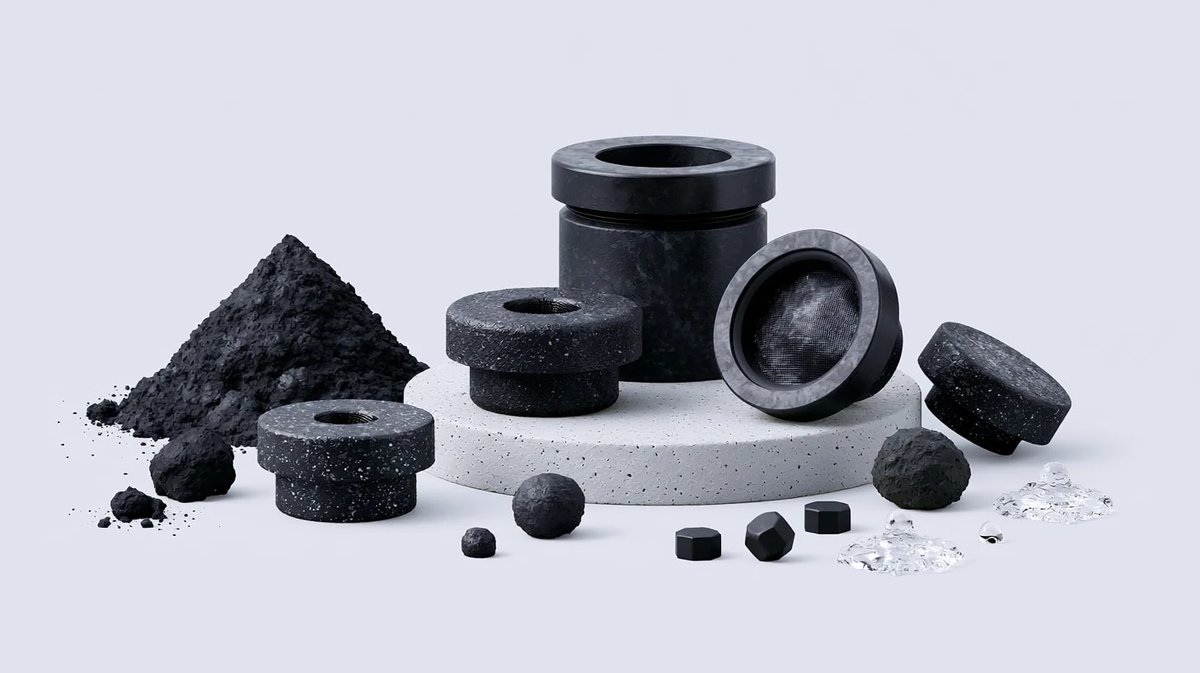
Vent plug selection should not be based only on thread size or the word waterproof. Consider the target enclosure protection, pressure-equalization requirement, operating temperature and mounting conditions together. Two products of the same size can have different membranes and airflow performance. A useful comparison starts by reading each product's technical documentation against the same application requirements.
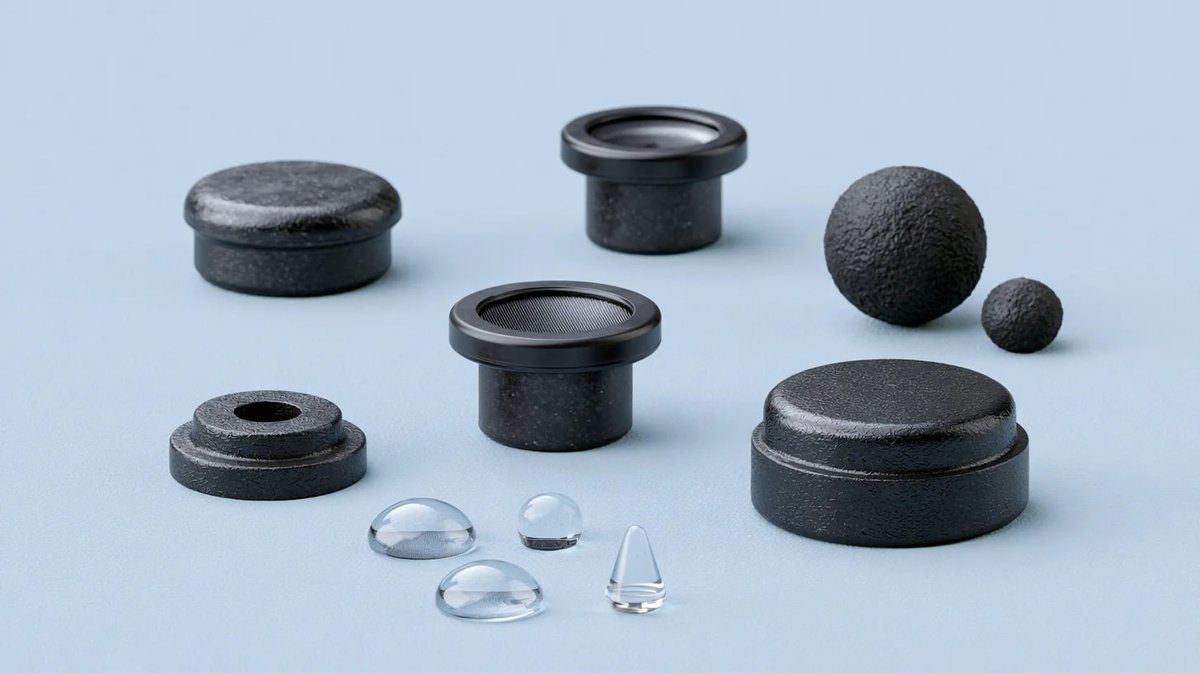
Read the IP Rating, Membrane and Operating Conditions Together
The IP code classifies protection against solid objects and water ingress. IP67 and IP68 involve different water-exposure assessments; the actual test conditions should be read from the product documentation. A component protection declaration does not automatically give every housing the same rating. The final mounting arrangement and complete enclosure require validation.
The membrane is a key part of controlled airflow, but IP67 is not the name of a membrane material. Products with that rating do not necessarily use the same membrane. Compare material, airflow and behavior against liquid ingress using the selected product's data. Avoid assumptions that a different membrane type must always clog faster or perform worse.
Operating temperature depends on the product and material combination. Continuous-service limits and short-term exposure limits should be distinguished. Internal enclosure temperature, solar heating and equipment heat generation all matter. A temperature range cannot be generalized to every product solely from its IP rating or thread size.
The body, membrane and sealing washer can respond differently to environmental exposure. Specify chemicals, UV exposure, vibration, dirt and maintenance methods during selection. A material name alone does not establish unlimited chemical resistance or years of fault-free operation. Verify each requirement using product data and an application assessment.
The application description should include enclosure volume, the rate of temperature change, mounting space and target protection. LED fixtures, sensor housings and control enclosures may have different pressure-equalization needs. The washer contact surface and an unobstructed airflow path matter alongside the connection thread. Use these inputs to assess the product performance and required quantity.
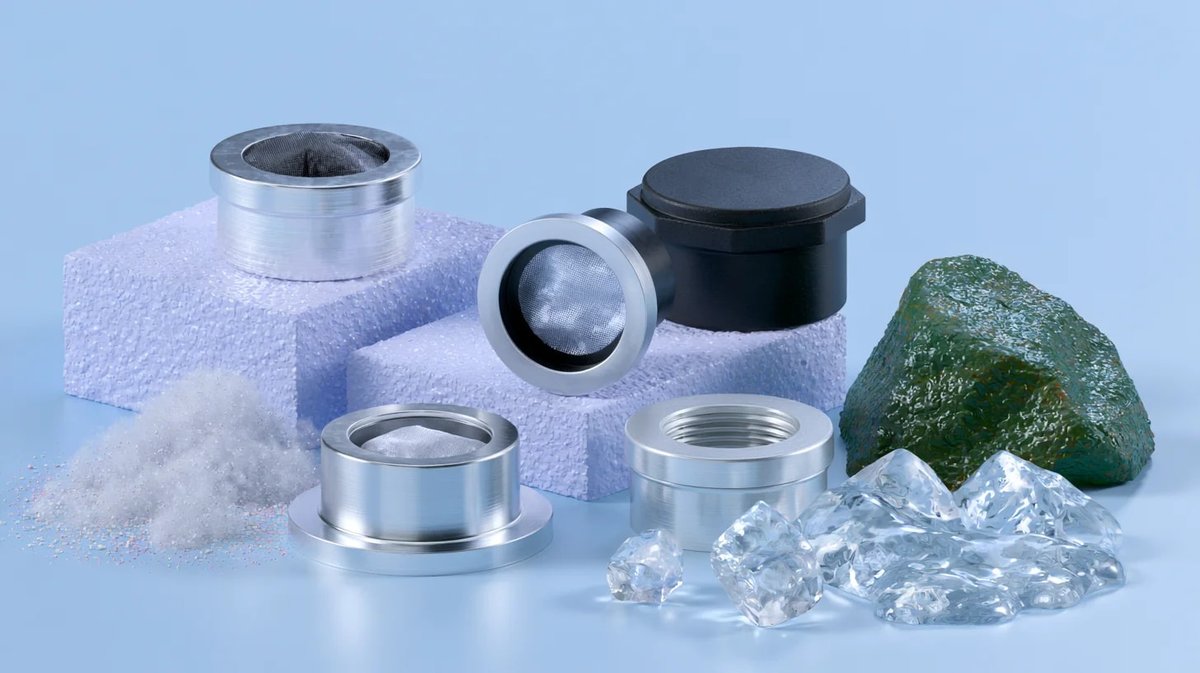
A Checklist for Comparing Quotations
| Criterion | Information to request | How to check |
|---|---|---|
| Protection | Declaration, relevant report and test conditions | Match model and mounting; validate complete enclosure |
| Airflow | Flow data with its measurement pressure difference | Compare against enclosure volume and temperature cycle |
| Temperature and materials | Body, membrane, washer and exposure limits | Distinguish continuous service from short-term exposure |
| Mechanical installation | Thread, body length, washer and contact surface | Review drawing and manufacturer mounting instructions |
| Environmental exposure | Chemicals, dirt, vibration and maintenance needs | Assess application requirements and relevant test evidence |
Frequently asked questions
What is the difference between IP67 and IP68? The two ratings address water exposure under different test conditions. IP68 does not guarantee use at every depth for an unlimited time. Assess the declared conditions together with the application. An IPX8 water test alone does not establish the dust-protection part of IP68.
Can an ePTFE membrane become blocked? Dirt and environmental exposure can affect membrane airflow. Follow the product's instructions for inspection, cleaning or replacement. Avoid solvents, pressure cleaning or mechanical intervention unless their compatibility has been established.
Why does mounting-hole geometry matter? An unsuitable opening or contact surface can prevent the washer from seating correctly. Check the manufacturer's drawing, dimensional tolerances and mounting instructions before validating protection.
What should be checked in vibrating environments? Assess the connection design, washer, installation and application test together. A finer thread or a particular material does not independently guarantee resistance to loosening.
How is the required airflow assessed? Consider enclosure volume, temperature-change rate and allowable pressure difference. Compare product flow at the stated measurement pressure. This is not the same calculation as sizing fan airflow for cooling.
Next step
Share enclosure volume, operating conditions, mounting surface and protection requirements to request an application review for Ventideal. Its IP68 declaration and test evidence should be read within their stated scopes; another product's airflow figures must not be attributed to Ventideal.
Contact:
📩 sinangokce@idealplastik.com.tr
📞 +90 212 612 68 40 / 41
📍 Istanbul – Türkiye
Related guides
Continue reading: What is Plastic Injection Molding? Basic Processes and Areas of Use.
Continue reading: Extending the Life of LED Luminaires with Smart Ventilation.