
← All products
Product
Automotive Plastic Components and Mould Solutions
Supply and development of dust boots, plastic tie-rod housings, retaining rings and protective caps. Drawings, samples, material requirements and application conditions guide tooling and series-production planning.
- Each product must be assessed for its actual operating conditions.
- Contact the technical team for product information, standard drawings approved for sharing or material data.
- Customer drawings, samples and application information are used for the project assessment.
Request a quote for this productRequest a quote on WhatsApp
View all product information ↓Include dimensions, material and required quantity in your request.
Direct contact+90 (212) 612 68 40 / 41info@idealplastik.com.tr
Product information
Applications, features and available variants
Applications and technical scope
Project-specific applications can include steering and linkage systems, suspension applications, moving-part protection, shaft and housing connections, areas exposed to oils or fluids, and automotive supplier assembly points. Each product must be assessed for its actual operating conditions.
Provide critical dimensions and tolerances, mating relationships, loads, movement, temperature, chemical contact and the required inspection method. A general application list is not a guarantee of compatibility with a specific vehicle or an automotive certification claim.
Technical documents and confidentiality
Contact the technical team for product information, standard drawings approved for sharing or material data. Customer drawings, samples and application information are used for the project assessment. Special designs, customer codes and project-specific technical details are not included in public product content.
Selection and production
Plan the product for your project
İdeal Plastik produces dust boots, plastic tie-rod housings, plastic retaining rings and protective caps for automotive applications. Alongside existing product supply, new components and moulds can be developed from customer drawings, samples and application requirements.
The component's role in the vehicle, its relationship with mating parts and its operating conditions are as important as its external dimensions. Material selection, the mould approach, trial production and suitability for series manufacture are assessed within the same project.
Product groups
Dust boots
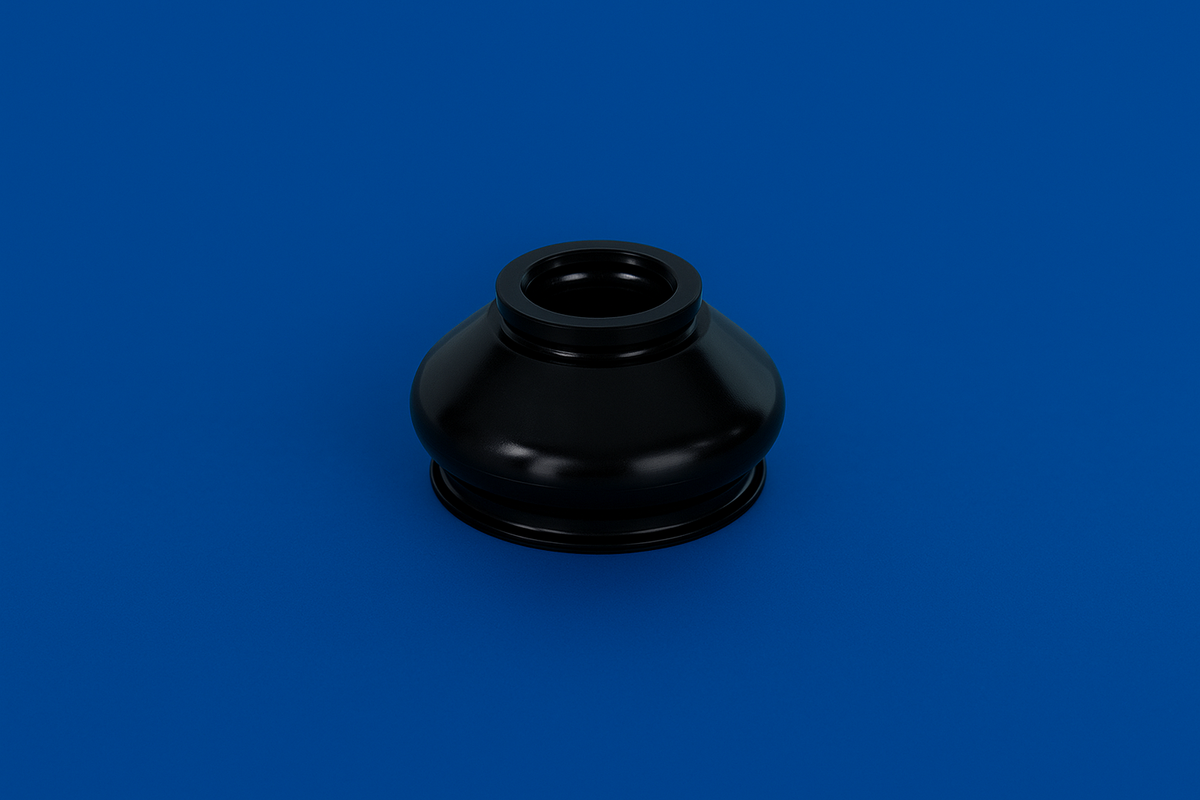
Flexible components that help protect moving parts from dust, dirt and environmental exposure. Geometry, hardness and material are selected according to movement, mounting space, temperature and contact conditions. Existing product supply, tooling for different dimensions and sample-based alternatives manufactured in Türkiye can be evaluated.
Plastic tie-rod housings
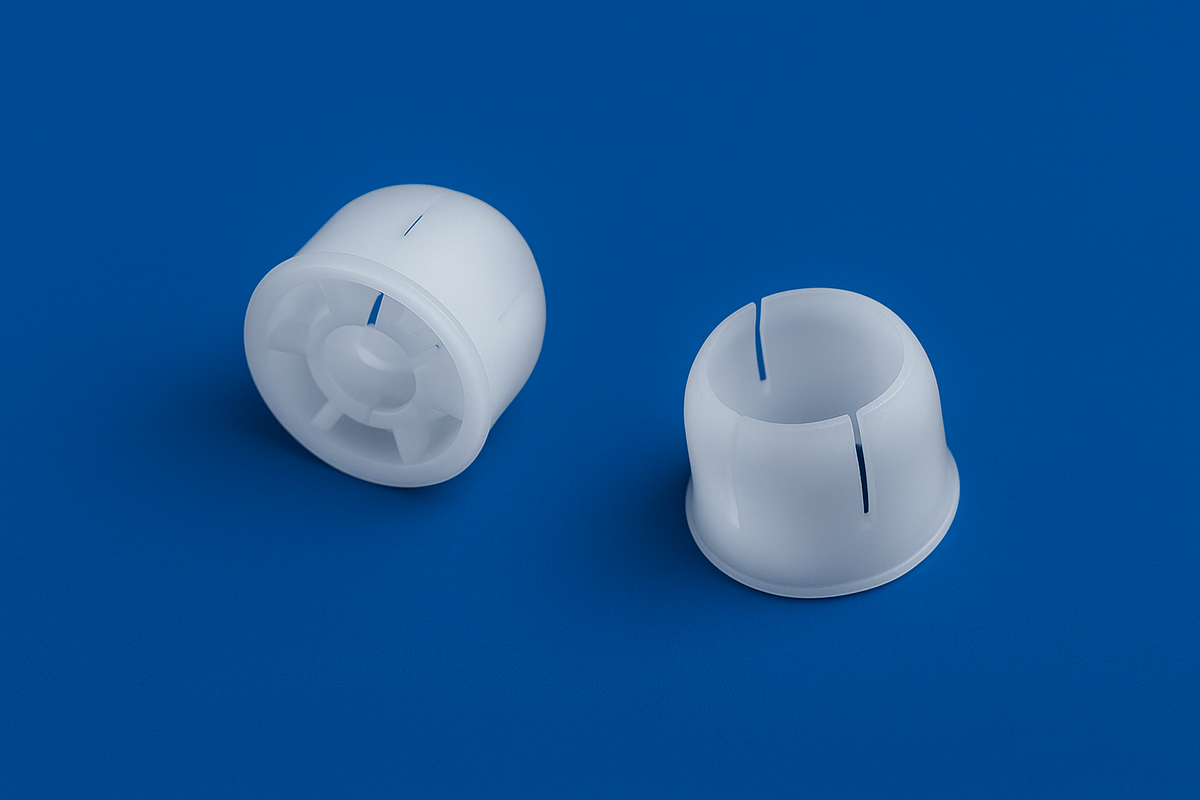
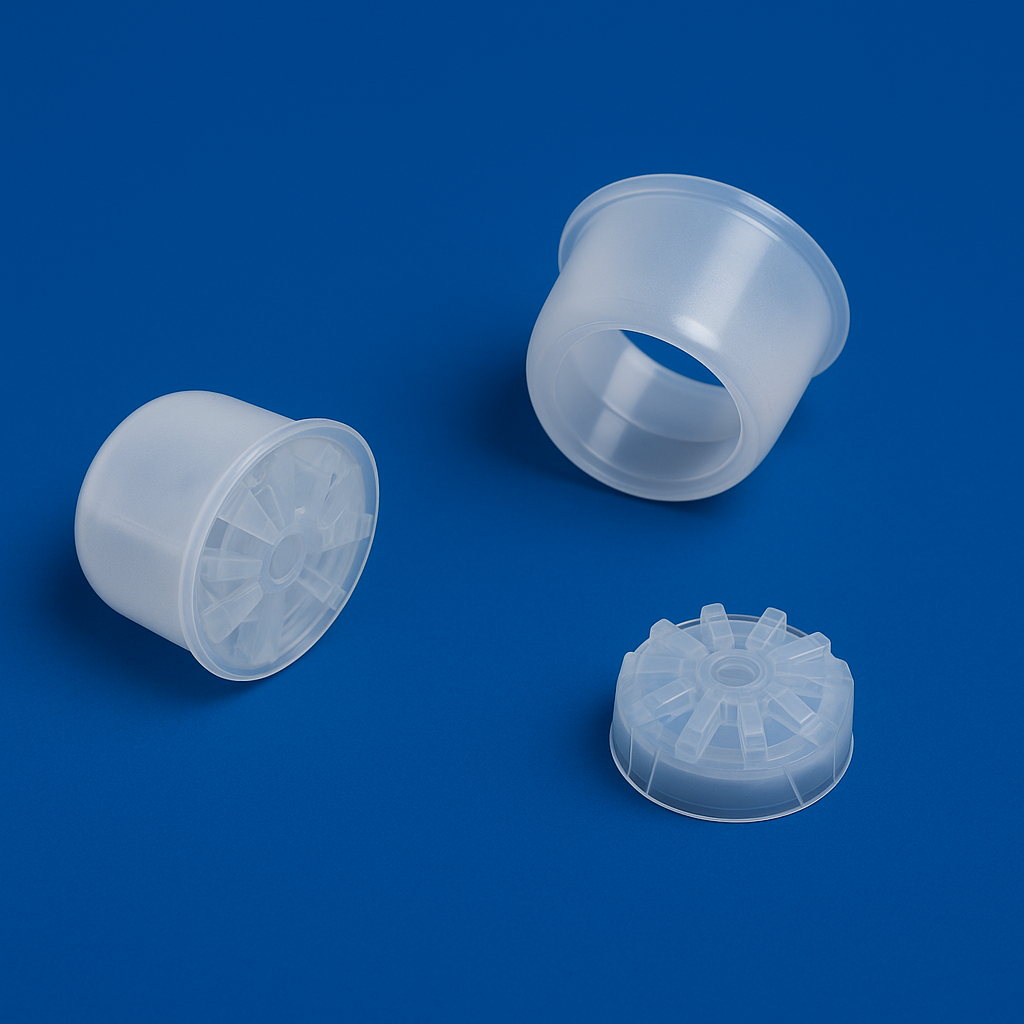
Plastic components used to position associated parts and support controlled operation in steering and linkage assemblies. Dimensional accuracy, assembly fit, mechanical loads, movement and friction are reviewed together. Production to a drawing, sample assessment and new component or mould development are planned for the actual project.
Plastic retaining rings
Components that help locate, limit or retain associated parts. Their dimensions and material depend on the groove or seat, mating component, load, movement and friction. Different diameters and geometries, mould development from drawings or samples, and series injection moulding can be assessed. The function must be established from the application rather than assumed from the ring shape.
Protective caps for oil-contact areas
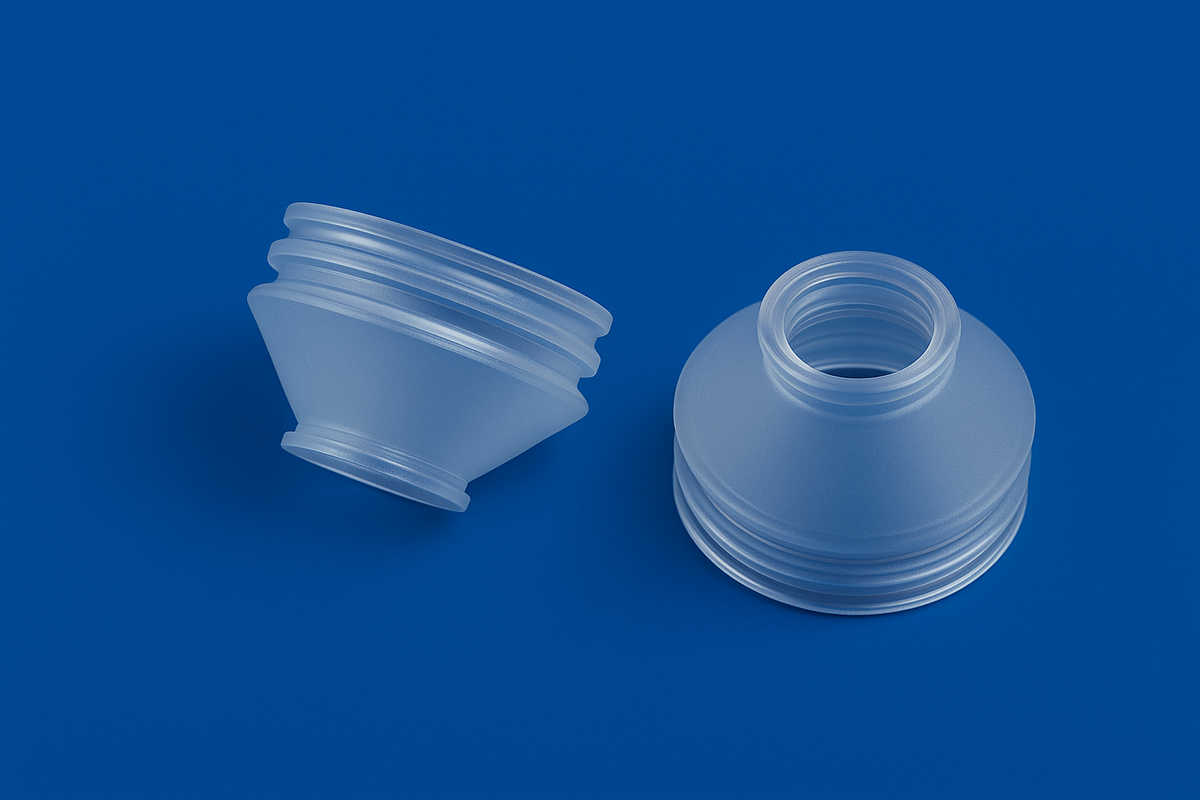
Plastic or elastomer components used to help protect the relevant area from oil, dirt and external exposure. The actual fluid, temperature, mounting method and environment determine the geometry and material. Existing supply or development of other dimensions can be evaluated; fluid compatibility and any sealing requirement need their own verification.
Selecting the component and material
Similar outside dimensions do not establish interchangeability between two automotive parts. Review the system function, mounting method, critical tolerances, loads, movement, operating temperature and oil or chemical contact. Supply a drawing or sample together with the required material or hardness, test expectations and annual quantity.
Engineering plastics such as PA and POM, and elastomer requirements involving TPE or EPDM, can be assessed against the application. These materials must not all be described as equivalent thermoplastics or assumed to use the same moulding process. Select the actual grade, product geometry, mould and manufacturing method together. A material's inclusion in the range is not a claim that it is suitable for every oil, fluid or temperature.
From project to series production
The process starts with the drawing or sample and operating conditions. After geometry and material are defined, mould design and manufacture are planned. Trial parts are reviewed for dimensions, assembly and any project-required functional tests. Series production follows sample approval and satisfaction of the agreed acceptance criteria and control plan.
For suitable customer-owned plastic injection moulds, machine and process compatibility are checked before moulding and series production. Imported components can also be assessed for an alternative manufactured in Türkiye using the sample, technical expectations and annual demand. Such development does not automatically confer approval for a particular vehicle or system; customer acceptance and application verification remain separate requirements. Third-party intellectual property must be respected.
Discuss your automotive component project
Send the component name, application, dimensions and annual quantity with a technical drawing or sample to İdeal Plastik. Review our mould and production services when preparing the enquiry.
Technical documents
Review product data at its source
Technical values stated in the document
- Dust boot
- The catalogue states TPE or EPDM material
- Tie-rod housing
- The catalogue states PA (polyamide) material
- Circlip
- The catalogue states POM (polyoxymethylene) material
- Oil protection covers
- The catalogue states TPE or PA material
Values are transcribed from the 2026 catalogue/flyer. Suitability must be confirmed for the selected variant, installation and actual operating conditions during quotation.
Questions and answers
Frequently Asked Questions
Which automotive components do you produce?
The range includes dust boots, plastic tie-rod housings, plastic retaining rings and protective caps. Other requests can be assessed from the drawing, sample and operating conditions.
Do you develop the moulds as well?
Dedicated mould development can be planned after reviewing drawings, samples and application information. The mould and manufacturing method are selected together with the material.
Can different dimensions be produced?
Manufacturability can be assessed when the required dimensions, critical tolerances, mating geometry and working conditions are provided.
Can development start with only a sample?
A sample can support measurement, material assessment and mould planning. The component's function and operating conditions are also needed.
Can an alternative to an imported component be developed?
Production in Türkiye can be assessed against dimensions, material expectations, operating conditions and annual quantity. Suitability is verified through sample and project acceptance checks, with respect for intellectual property rights.
Can you mould parts using our existing mould?
Trial and series injection moulding can be provided after checking compatibility with the machinery, selected material and production conditions.
Which materials can be considered?
Engineering plastics such as PA and POM, and elastomer requirements involving TPE or EPDM, can be assessed. Final material grade and manufacturing process depend on the component's function and working environment.
How does a project move into series production?
Trial parts, dimensional and assembly checks, required functional assessments and sample approval are completed before production proceeds under the project's defined control plan.
Request a quote
Discuss this product for your project.
Share the part, dimensions, material, quantity and operating environment.
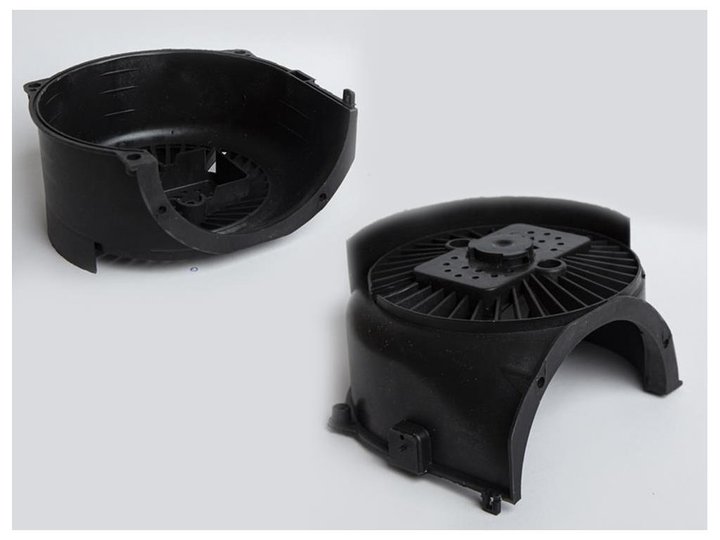
HVAC and Ventilation Plastic Components
Project-specific mould development, contract injection moulding, samples and series production for HVAC and ventilation components. Imported parts can be assessed for production alternatives in Türkiye.
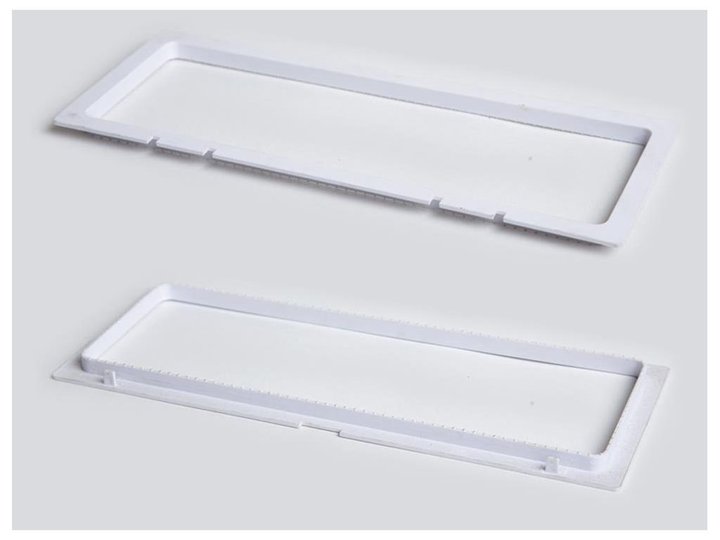
LED Glass Covers
LED glass covers protect the light source and support a uniform appearance in indoor and outdoor luminaires; dimensions, form and surface are project-defined.
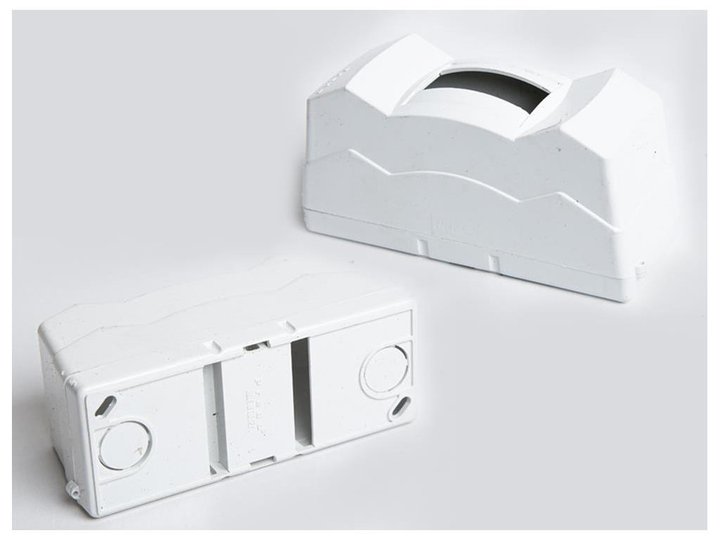
LED Lighting Covers
Plastic LED lighting covers support balanced light distribution and protect the LED source; dimensions, profile and surface can be developed for the project.
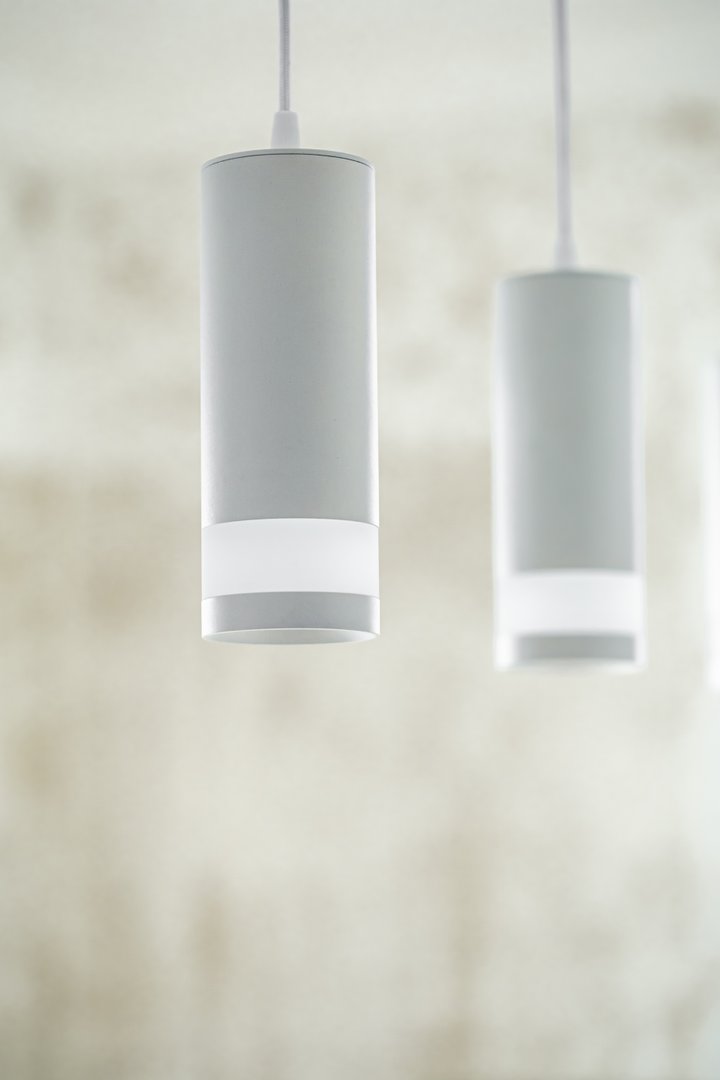
LED Lighting Covers and Components
Plastic LED covers, glass covers and project-specific plastic lighting components. Luminaire geometry, assembly, optical appearance and operating conditions guide product supply, tooling, samples and production.
Technical knowledge